

Mobile DNA tests are just as accurate as traditional lab tests when the samples are processed at an AABB-accredited laboratory. Paternity testing reaches 99.9% or higher for an inclusion and is 100% conclusive for an exclusion, whether the cheek swab is taken in a clinic or at your front door. The difference between mobile and in-lab testing is not accuracy. It is convenience.
Key takeaways
- Accuracy is determined by the laboratory analysis, not by where the swab is collected.
- Odosek Lab Solutions is not itself an accredited laboratory — your samples are processed at an AABB-accredited lab, which is what makes results court-admissible.
- A documented chain of custody is what separates a legal test from an at-home kit, and mobile collection maintains it in full.
- Turnaround is the same for mobile and in-lab collection: most results land in 3 to 7 business days after the lab receives the sample.
- Odosek is BBB A+ rated and HIPAA compliant, serving Georgia, South Carolina, and Maryland.
How accurate are DNA tests taken outside a lab?
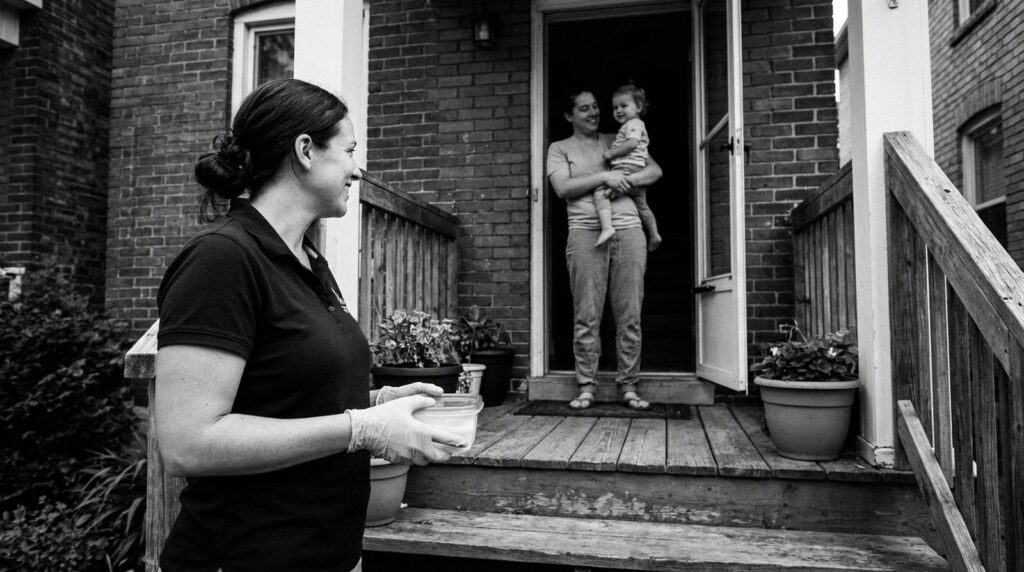
Mobile DNA testing brings the collection process to you — your home, your workplace, your attorney’s office, or any other agreed location. A trained collector arrives at your chosen spot, follows the same protocols used in a clinical setting, and sends the samples to an AABB-accredited laboratory for analysis.
For most people the first question is whether testing outside a controlled lab environment changes the outcome. The short answer is no. The accuracy of a DNA test depends on the laboratory analysis, not on where the cheek swab takes place. What matters is how the sample is collected, documented, and handled before it reaches the lab.
Odosek Lab Solutions serves clients across Georgia, South Carolina, and Maryland with paternity, grandparent, and siblingship testing. Every test is processed by the same AABB-accredited laboratory infrastructure regardless of whether you visit a facility or have a collector come to you.
What makes a DNA test accurate?
DNA test accuracy comes down to three factors: how the sample is collected, how the laboratory processes it, and whether the whole process follows documented quality controls. When all three are handled correctly, results are reliable enough to hold up in court.
The role of AABB accreditation
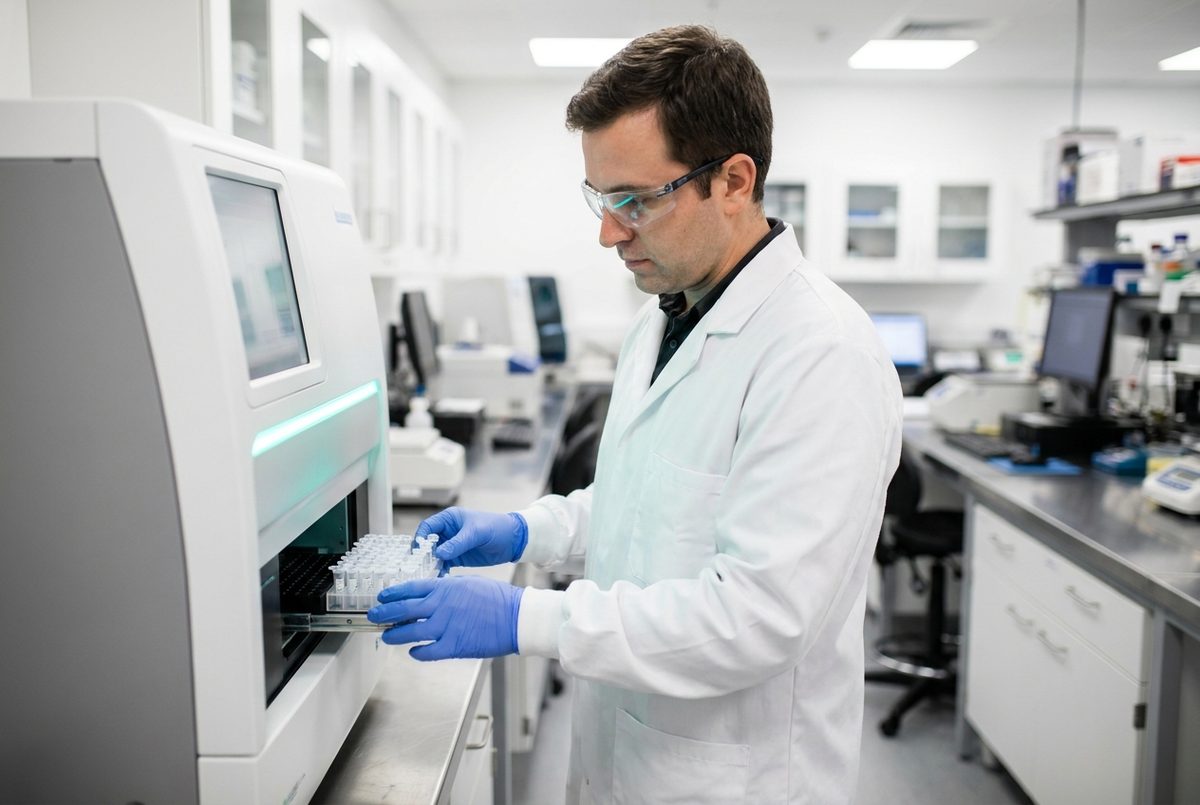
AABB accreditation is the recognised standard for relationship DNA testing in the United States. The AABB — formerly the American Association of Blood Banks — sets requirements for laboratory operations, testing procedures, staff qualifications, and quality management. A laboratory holding AABB accreditation has been independently evaluated against those requirements and is re-audited to keep it.
For you, that means three things: the lab follows documented protocols for every test, the results are legally admissible in court proceedings such as custody disputes, child support cases, and inheritance claims, and standards do not quietly slip over time.
Sample collection methods and their impact
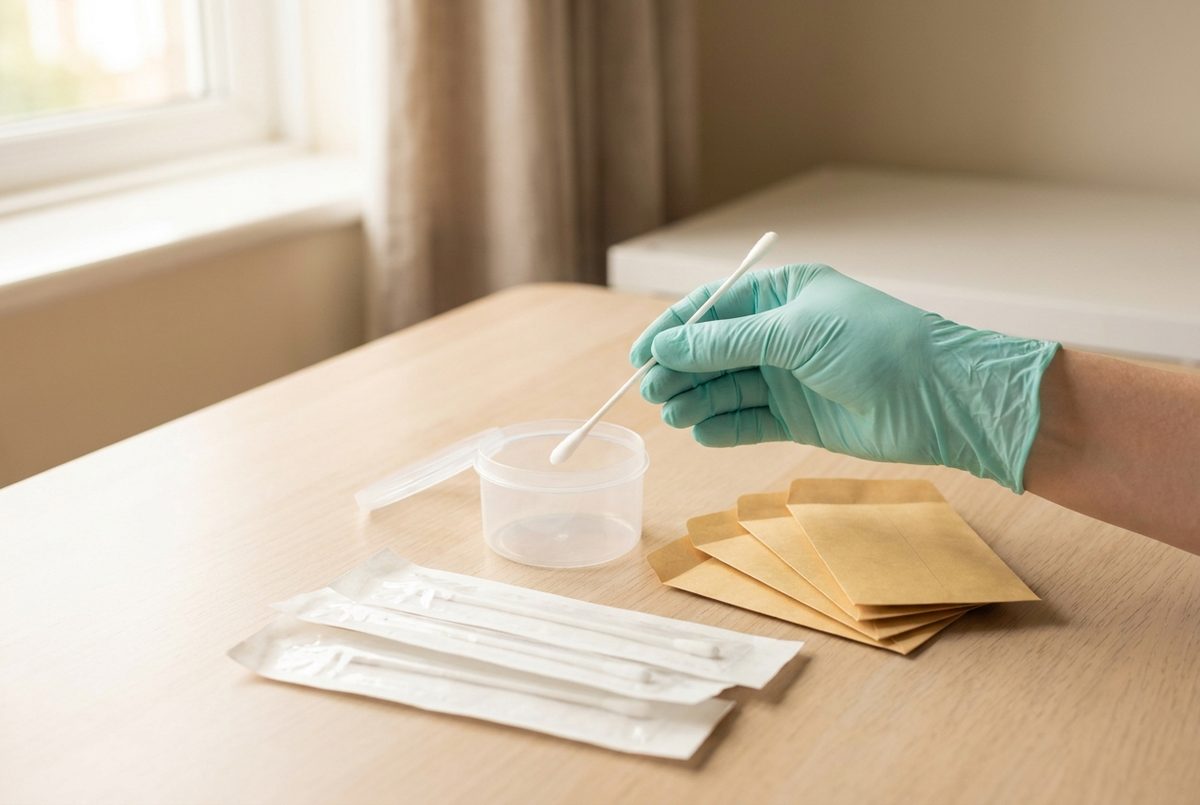
The standard collection method is the buccal swab: a sterile cotton swab rubbed along the inside of the cheek to collect cells. It is simple, painless, and produces ample genetic material for analysis. If you want the detail on why this works as well as blood, see our guide to mouth swab DNA test accuracy.
In a mobile setting the collector performs the identical procedure used in any clinic. The difference is not the technique but the discipline of the person performing it. Experienced collectors wear gloves, use sealed single-use kits, and begin chain of custody documentation the moment the swab touches the cheek.
Mobile DNA testing vs traditional laboratory testing
Are the results different?
No. Mobile and in-lab collections produce the same result because the analysis happens in the same facility, run by the same scientists, on the same equipment, under the same protocols. Paternity testing reaches 99.9% or higher for an inclusion; when a man is excluded as the biological father, that exclusion is 100% conclusive. Siblingship and grandparent tests are similarly reliable, though the reported probability varies with how many relatives are tested.
| Factor | Mobile DNA testing | Traditional lab testing |
|---|---|---|
| Accuracy (inclusion) | 99.9% or higher | 99.9% or higher |
| Accuracy (exclusion) | 100% conclusive | 100% conclusive |
| Where samples are analysed | AABB-accredited laboratory | AABB-accredited laboratory |
| Collection method | Buccal swab, at your location | Buccal swab, at a facility |
| Chain of custody | Documented on site | Documented at the facility |
| Court admissibility | Yes, with chain of custody | Yes, with chain of custody |
| Typical turnaround | 3–7 business days after the lab receives the sample | 3–7 business days after the lab receives the sample |
| Travel required | None — the collector comes to you | You travel to the facility |
Processing time and result delivery
Most tests return results within 3 to 7 business days from the moment the sample arrives at the laboratory, and expedited options can shorten that window. Processing time is identical for mobile and in-person collection. What can affect the overall timeline is how quickly the sample reaches the lab, which is why tracked shipping matters. If your hearing date is close, read about same-day DNA testing.
Why mobile DNA tests are just as reliable
Reliability rests on three things: trained collectors, a documented chain of custody, and accredited laboratory analysis. Chain of custody is the written record of every person who handled a sample between collection and the lab. For a legal test it is not optional — it is what makes the result admissible. Our collectors complete that documentation on site, with you present.
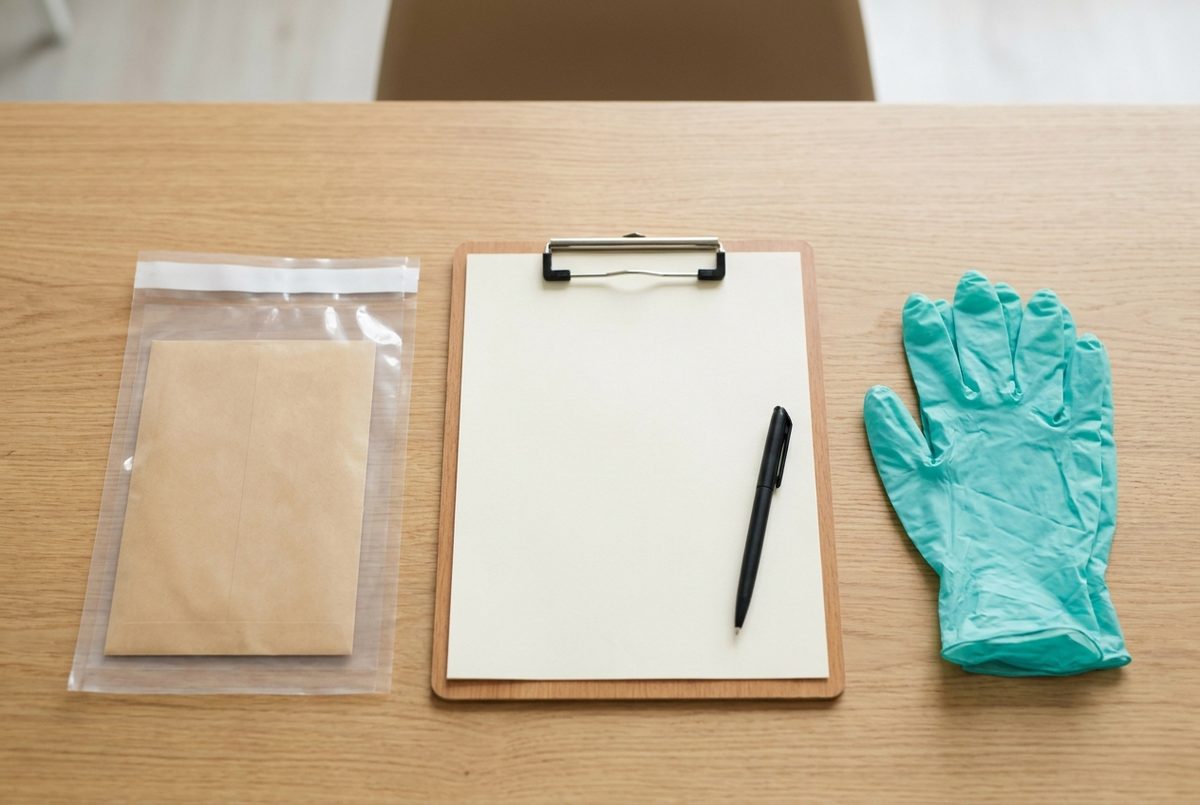
Collector discipline matters just as much. Participants are asked not to eat, drink, or smoke for at least 30 minutes before collection, every participant gets a fresh sealed kit, and samples are never handled in a way that risks cross-contamination. For a deeper look, see chain of custody in legal DNA testing.
Common concerns about mobile DNA testing accuracy
Can environmental factors affect results?
In theory yes, in practice rarely. The three risks are contamination from foreign DNA, sample degradation, and improper storage before shipping. Professional collectors control all three by using sterile sealed kits, packaging samples immediately after collection, and storing them correctly until handover to the courier. A properly stored buccal swab remains viable for several days — comfortably longer than tracked shipping takes.
What about confidentiality and sample mix-ups?
Identity verification is a required step in every professional collection. Before any sample is taken, the collector checks each participant against government-issued photo ID and records it as part of the custody file. Each sample then carries a unique identifier through packaging, shipping, and analysis, so samples collected at the same appointment cannot be confused. Client information is handled under HIPAA-compliant privacy protocols and results are released only to authorised parties.
When should you choose mobile DNA testing?
Mobile collection makes sense whenever convenience matters and accuracy cannot be compromised. That covers people with mobility limitations or health conditions that make travel difficult, parents managing young children, professionals with inflexible schedules, and anyone in a rural area far from a collection site.
It is equally suited to legal matters. For a custody dispute, a child support case, or a probate and heirship question, mobile collection through an AABB-accredited laboratory produces legally admissible results, because the chain of custody completed on site meets the same requirements as in-clinic collection. Attorneys can review our family law DNA program for firm pricing and turnaround. If you are still deciding which type of test you need, start with legal vs. non-legal DNA testing.
How to get the most accurate result
Preparation is simple. Avoid eating, drinking, chewing gum, or smoking for at least 30 minutes before your appointment. Rinse with water if you need to, but skip mouthwash immediately beforehand. The same guidance applies when collecting from an infant or young child wherever practical.
When you are choosing a provider, ask three questions before you book: which laboratory processes the samples and is it AABB-accredited, what the chain of custody procedure looks like, and how and when results are delivered. A provider who answers those plainly is one you can trust. For the limits of accuracy — what causes an error, and how identical twins or related potential fathers affect a result — read can a paternity test be wrong. If you are counting days rather than checking the science, see how long DNA test results take.
Frequently asked questions
How accurate are DNA tests for paternity?
A paternity DNA test processed at an AABB-accredited laboratory reaches 99.9% or higher when a man is the biological father, and an exclusion is 100% conclusive. Those figures are the same whether the sample is collected in a clinic or at your home, because the laboratory analysis is identical.
Does mobile DNA testing use the same laboratories as traditional testing?
Yes. Odosek Lab Solutions sends every collected sample to the same AABB-accredited laboratory used for in-facility collections. Where the swab is taken does not change which lab processes it.
How long does it take to get results from a mobile DNA test?
Most results are returned within 3 to 7 business days from when the laboratory receives the sample. Expedited processing is available. Mobile collection adds no meaningful delay when samples ship promptly by tracked courier.
Are mobile DNA tests legally admissible in court?
Yes, provided the collection follows chain of custody protocols and the samples are processed at an AABB-accredited laboratory. Identity verification, on-site documentation, and tracked shipping are what make the result defensible.
What should I look for in a mobile DNA testing service?
Confirm that the samples are processed at an AABB-accredited laboratory, ask how chain of custody is documented, and check how results are delivered. Ask about accreditation directly before scheduling.
Can anything compromise the accuracy of a mobile DNA test?
Yes, but the risks are preventable. Contamination, improper storage, and a broken chain of custody are the three to watch. Trained collectors, sealed single-use kits, and documented custody procedures address all three.
How is chain of custody maintained during mobile collection?
The collector verifies each participant against government-issued photo ID, labels every sample with a unique identifier, seals it immediately, and signs a custody form recording the time, date, and location. That record travels with the sample to the laboratory.
Book a mobile DNA collection
Tell us what the court, the agency, or your attorney asked for and we will tell you exactly what to book. A real person answers every call, day or night.